
Disability Rights Education & Defense Fund and Eviction Defense Collaborative Sue San Francisco Landlord Over Three-Year Elevator Outage in Rent-Regulated Building
For Immediate Release:
June 1, 2026
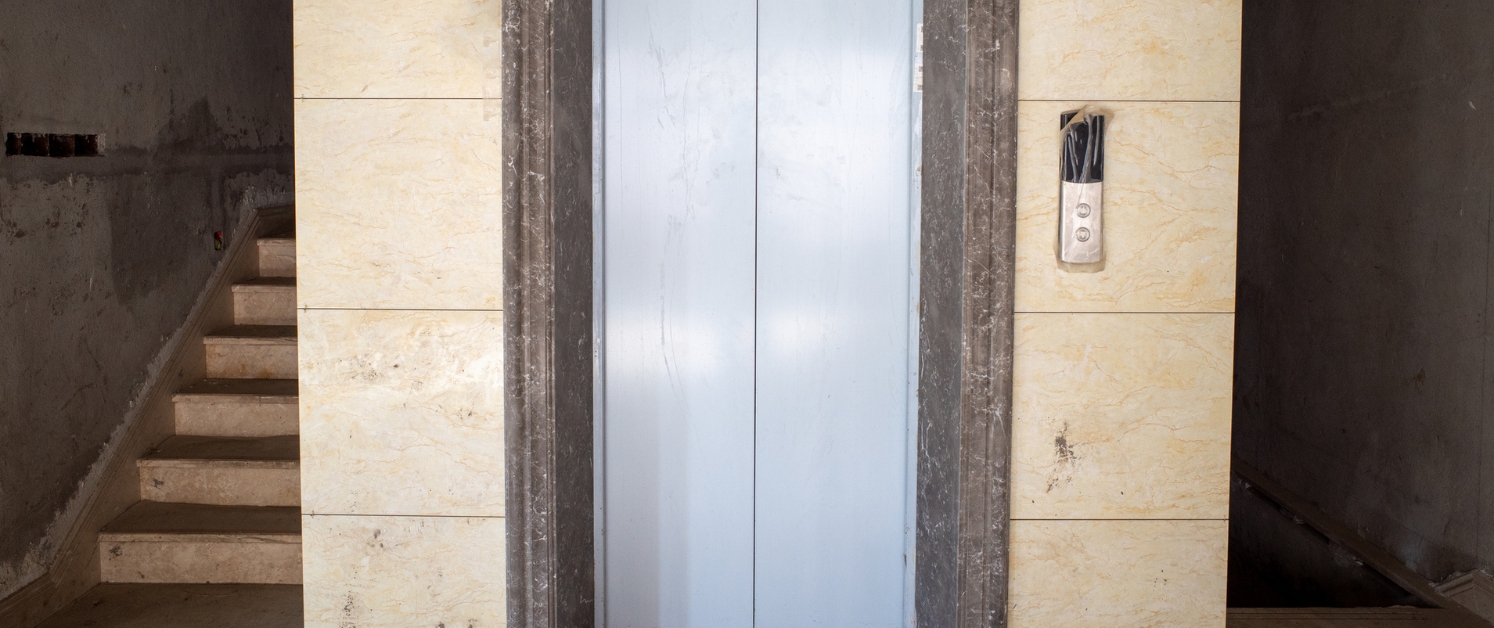
San Francisco, CA — The Disability Rights Education and Defense Fund (DREDF) and the Eviction Defense Collaborative (EDC) have filed a lawsuit on behalf of three mobility disabled tenants who have been trapped for years in inaccessible conditions at a rent-controlled apartment building in San Francisco, after the building’s management company refused to fix the building’s sole elevator when it stopped working.
The lawsuit alleges that Structure Properties, which took over management of the building several years ago, has allowed the property to deteriorate while failing to maintain critical accessibility features relied upon by disabled and older tenants.
All three plaintiffs have lived in the building for more than two decades and rely on the stability and affordability of their rent-regulated housing. The complaint argues that the prolonged elevator outage is not only discriminatory but part of a broader pattern in which neglect of accessibility features threatens to displace long-term disabled tenants from affordable housing.
“When landlords fail to do their job and allow accessibility features in rent-controlled housing to fall into disrepair, disabled and older tenants are pushed out, which enables landlords to raise the rent and make more money,” said Erin Ngyuen Neff, Senior Staff Attorney at the Disability Rights Education and Defense Fund. “Accessible housing is already in critically short supply. Landlords cannot simply ignore accessibility needs and force tenants to choose between their safety and independence, and their homes.”
The lawsuit alleges that the failure to repair the elevator has had devastating impacts on the tenants’ daily lives. The tenants experience pain, fear, and the risk of dangerous falls while navigating the stairs; one has fallen many times. The tenants struggle to leave their homes for medical appointments, groceries, and community activities.
Advocates say the case also highlights how corporate landlords can profit from the displacement of long-term rent-regulated tenants. Because the plaintiffs’ rents are substantially below current market rates after decades in the building, their removal could allow the landlord to significantly increase rental prices for future tenants.
“This case is about more than a broken elevator,” said Madeline Scher from the Eviction Defense Collaborative. “It is about the intersection of disability rights, housing justice, and corporate greed. Neglecting essential accessibility features can become a tool of displacement that disproportionately harms disabled and older tenants who depend on affordable housing to remain in their communities.”
The lawsuit seeks repairs to restore accessibility at the property, damages for the harm suffered by the tenants, and accountability for alleged violations of disability rights and housing laws.
DREDF and EDC emphasized that housing providers have legal obligations to maintain accessible features and ensure disabled tenants have equal access to their homes.
Media Contacts
Tina Pinedo
Communications & Operations Director
Disability Rights Education & Defense Fund
(510) 225-7726
media@dredf.org
Jessica Santillo
Supervising Litigation Attorney
Eviction Defense Collaborative
(510) 831-6708
jessicas@evictiondefense.org
About Disability Rights Education and Defense Fund
Disability Rights Education and Defense Fund (DREDF) is a national civil rights law and policy center directed by people with disabilities and parents of children with disabilities. Our mission is to advance the civil and human rights of people with disabilities through legal advocacy, training, education, and public policy and legislative development. We work with the core principles of equality of opportunity, disability accommodation, accessibility, and inclusion.
About Eviction Defense Collaborative, Inc.
Eviction Defense Collaborative (EDC): Stopping Homelessness Before It Starts — Keeping San Franciscans Housed. For over 30 years, EDC has served as San Francisco’s frontline defense against displacement, homelessness and the trauma of eviction. As the lead partner for the SF Tenant Right to Counsel program, EDC operates a highly coordinated, three-part intervention model: Full-scope legal representation to stop unlawful or unjust evictions; Flexible rental assistance to resolve immediate financial crises; Tenant empowerment and housing stabilization supports to sustain long-term housing. This integrated approach recognizes that eviction is rarely caused by a single issue—it is the result of intersecting legal, financial, and systemic barriers. By addressing all three simultaneously, EDC prevents displacement at scale while advancing housing stability and equity.
Related Posts